Rhodium, symbol Rh, is the 45th element on Mendeleev’s periodic table. It is a precious metal from the platinum family and is used in rhodium plating.
Rhodium Plating

Although primarily used in industrial applications, rhodium and other PGM metals such as palladium and ruthenium are also used in jewellery plating. While this is a niche use, it remains essential in our workshop.
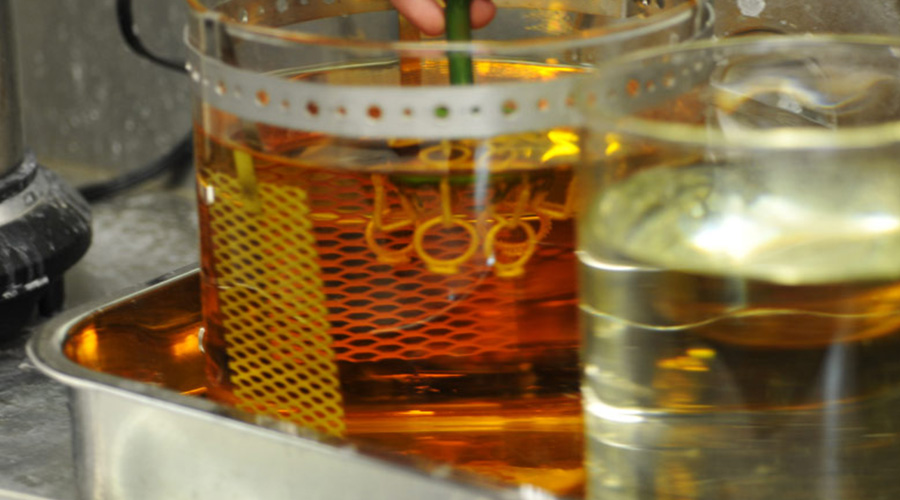
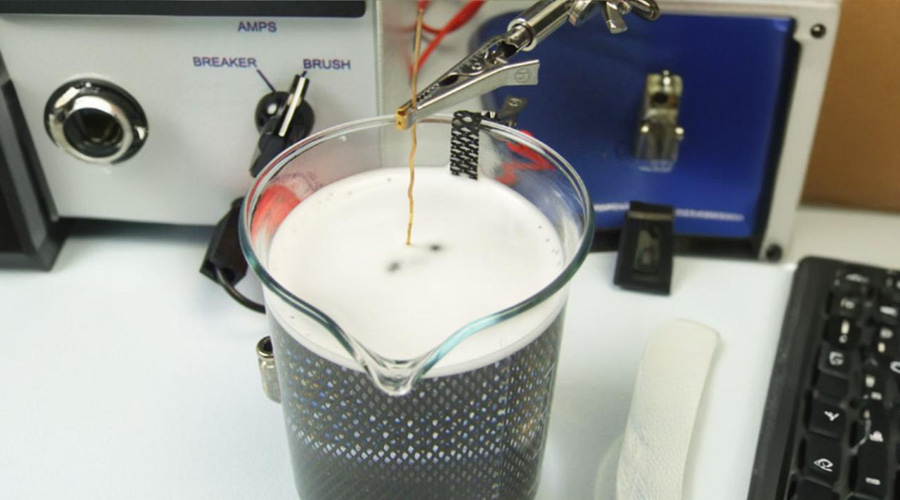
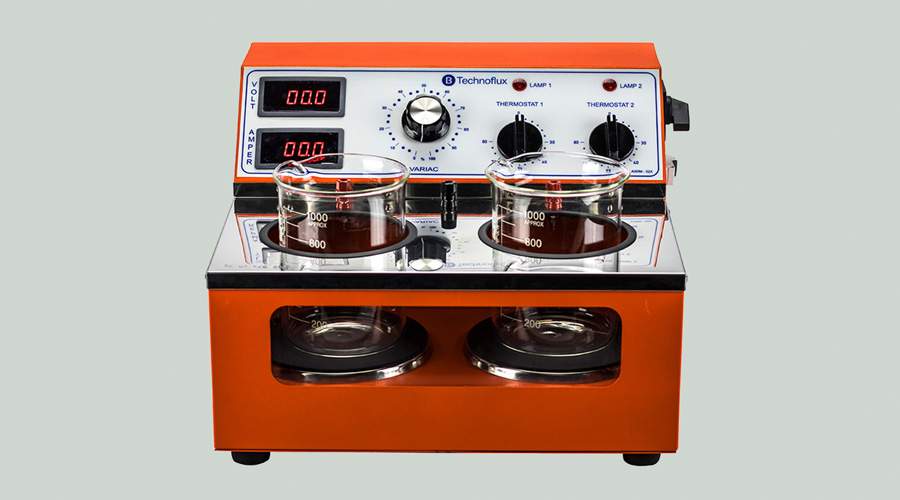
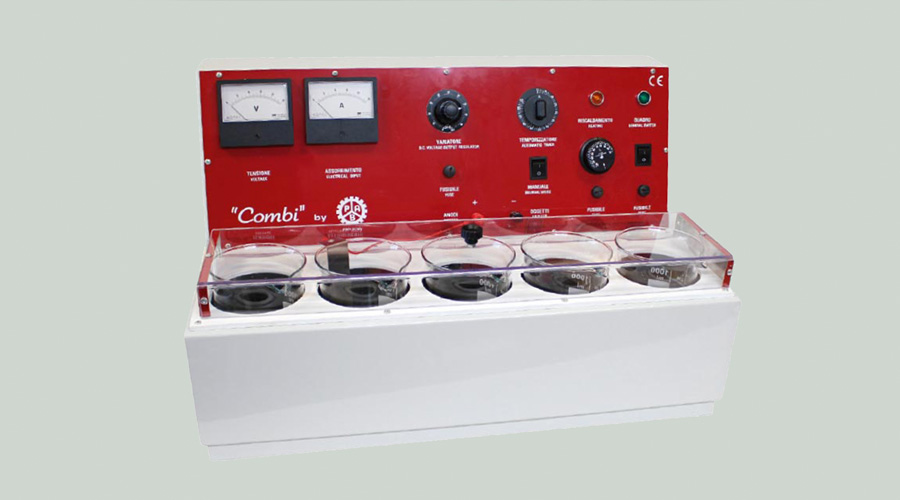
Rhodium plating is typically done through electroplating, a process that deposits a layer of rhodium or other metals such as gold onto a base metal using a galvanic bath. Another method is the galvanic pen, used for small surfaces or precise corrections.
In our workshop, we use white rhodium for its brilliance and its resistance to wear.
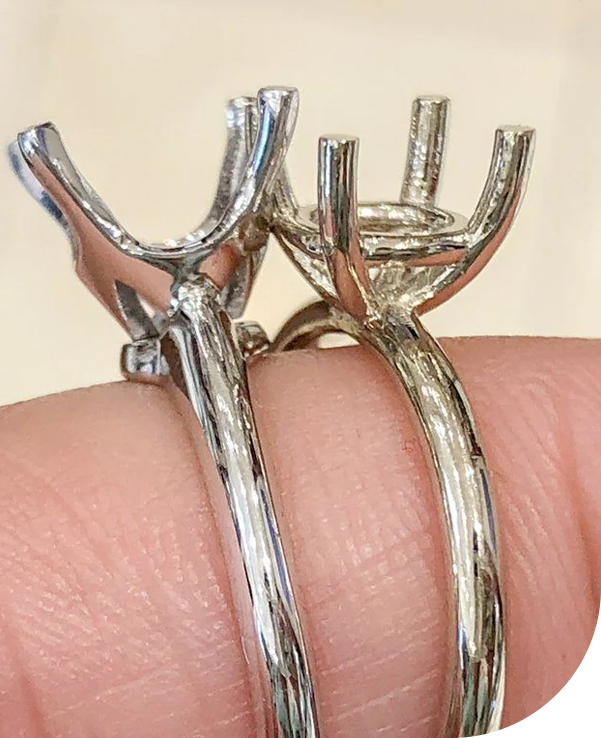
A rhodium-plated piece, checked before shipping
Rhodium plating is part of our whole manufacturing process, from 3D modeling to finishing: find all our steps on the Our Services page. Each piece is then checked as part of our quality control.
Benefits of rhodium plating include:
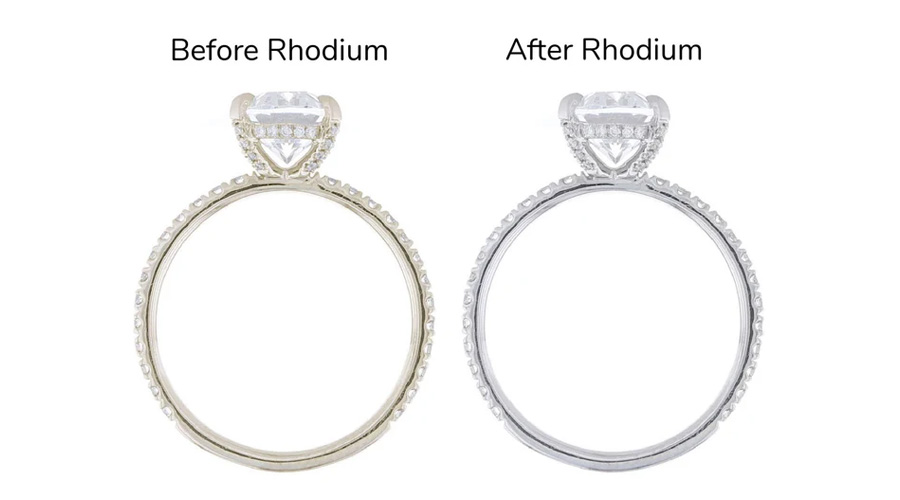
- A thin layer of rhodium protects jewellery from oxidation and discolouration.
- It increases scratch resistance while giving a sleek, shiny finish.
- It offers lasting protection, extending the lifespan of the jewellery.
Rhodium plating for jewellery: shine and protection
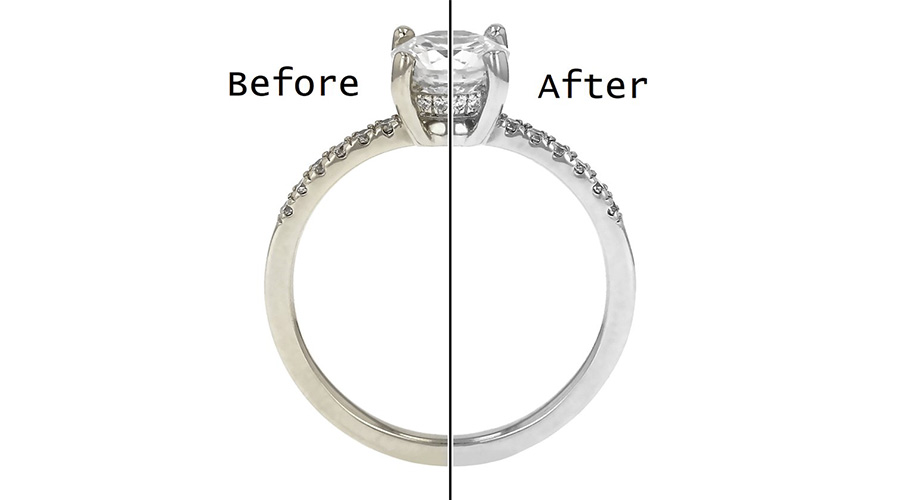
At Atelier KBS, rhodium plating for jewellery means depositing a thin layer of white rhodium on the piece. It protects the jewel against oxidation and discoloration, strengthens its scratch resistance and gives it a bright finish. Rhodium plating completes the finishing of the piece.
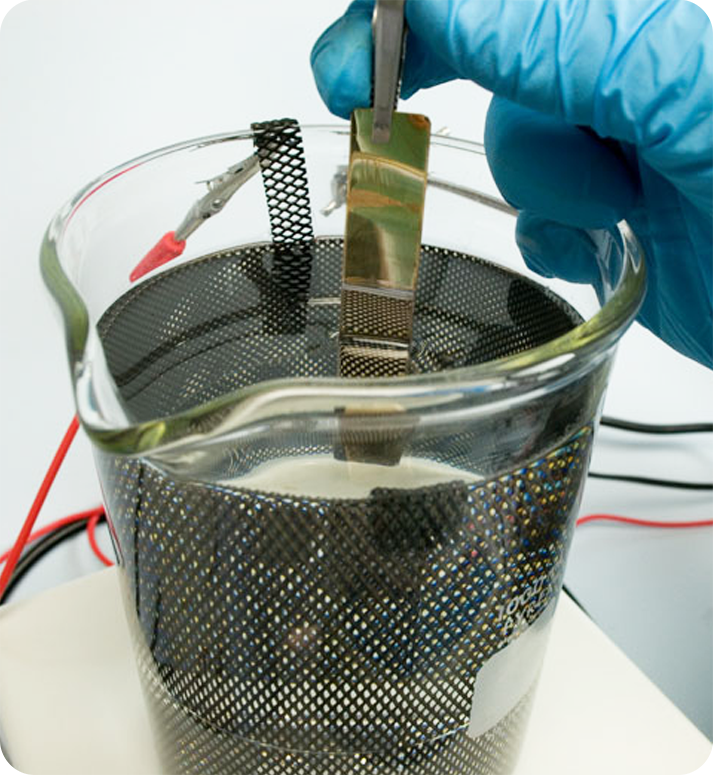
Electroplating or galvanic pen
For a whole piece, we deposit the rhodium by electroplating, in a galvanic bath. For a small area or a precise touch-up, we use the galvanic pen.
Benefits of rhodium plating include:
- A thin layer of rhodium protects jewellery from oxidation and discolouration.
- It increases scratch resistance while giving a sleek, shiny finish.
- It offers lasting protection, extending the lifespan of the jewellery.
Rhodium plating for jewellery: shine and protection
At Atelier KBS, rhodium plating for jewellery means depositing a thin layer of white rhodium on the piece. It protects the jewel against oxidation and discoloration, strengthens its scratch resistance and gives it a bright finish. Rhodium plating completes the finishing of the piece.
Although primarily used in industrial applications, rhodium and other PGM metals such as palladium and ruthenium are also used in jewellery plating. While this is a niche use, it remains essential in our workshop.
Rhodium plating is typically done through electroplating, a process that deposits a layer of rhodium or other metals such as gold onto a base metal using a galvanic bath. Another method is the galvanic pen, used for small surfaces or precise corrections.
In our workshop, we use white rhodium for its brilliance and its resistance to wear.
Electroplating or galvanic pen
For a whole piece, we deposit the rhodium by electroplating, in a galvanic bath. For a small area or a precise touch-up, we use the galvanic pen.
A rhodium-plated piece, checked before shipping
Rhodium plating is part of our whole manufacturing process, from 3D modeling to finishing: find all our steps on the Our Services page. Each piece is then checked as part of our quality control.